Consolidation and Decadence: The Fate of States
“The empire, long divided, must unite; long united, must divide. Thus it has ever been.” – Romance of the Three Kingdoms
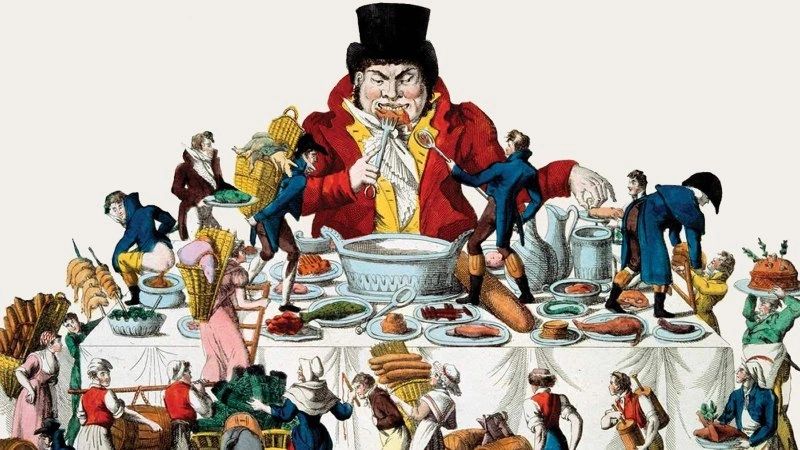
Historically, modern states have been consolidated as a result of solving a problem. That problem is typically of achieving pre-eminence in a system of warring states. The modern state, in other words, arises because it solves a selection problem. In a Darwinian sense, the state(s) in a warring state system that survives and consolidates power has been selected for because it is the best at waging and winning war.
Once the state has consolidated, though, its own existence makes the selection pressure which led to its consolidation obsolete. A modern state with undisputed control of territory no longer exists in a system that selects for states capable of making war. Over time, the state itself faces less and less pressure to maintain many of its war making capacities. No longer facing any existential danger, and undergoing generational turnover with descendants who are themselves further and further away from the frontier of battle, the exigencies of war that the modern state was once dedicated to fulfilling are forgotten.
The era of decadence sets in as the state becomes the system. No longer itself in a larger system with an overarching selection pressure, the state itself creates internal selection pressures. A most common one is the neo-patrimonialization of state. While the selection pressure of warfare led state’s that became modern, i.e. developed impartial meritocratic recruiting and bureaucratic management, survived, conquered, and consolidated power, the selection pressures within the state are entirely different. Factions rise to power based upon totally different criteria.
The main selection pressure, that of neo-patrimonialization, exerts a constant pressure on modern state’s to regress to pre-modern forms. Neo-patrimonalization, wherein leaders regress away from meritocratic bureaucracies and toward handing out governmental positions and benefits to friends and family, is a natural selection pressure. This is the case because it reflects the fact that in order to achieve power and status within a state, one must put together a coalition of support and the best way to do so is to reward loyalists, typically friends and family, with prime positions and benefits. A modern state, once selected for by war to be governed meritocratically by an impartial bureaucracy, thus faces an overwhelming internal selection pressure, once consolidated, to revert back to pre-modern form.