Economic Coercion with American Characteristics
Can US-led Financial and Economic Sanctions Change Beijing’s Behavior in Xinjiang?
Introduction
A crime against humanity is unfolding in China’s western province of Xinjiang. Recent leaks from inside the regime have confirmed, beyond a reasonable doubt, what some scholars have said for years: hundreds of thousands, if not millions, of ethnic Uighur Muslims are being systemically rounded-up and imprisoned in a string of 150-plus concentration camps.1The China Cables, International Consortium of Investigative Journalists, Nov 2019. https://www.icij.org/investigations/china-cables/ In response, the US Congress, even prior to the most recent leaks, passed legislation placing Xinjiang related enterprises on the Commerce Department’s restricted entities list, as well as visa sanctions on high-level officials involved in the Xinjiang round-up. More sanctions, however, appear imminent, as the US Congress is poised to pass the Uighur Human Rights Act that, in its current incarnation, would force the Trump Administration to supply a list of individuals and entities to be placed under strict financial and economic sanctions, via the Magnitsky Act.2S. 178: Uyghur Human Rights Policy Act of 2019, Gov Track, https://www.govtrack.us/congress/bills/116/s178 The purpose of this paper, then, is to analyze whether US (and potentially allied) economic and financial sanctions are liable to be efficacious in compelling change in China’s behavior in Xinjiang. In order to investigate this question, the paper will be broken into three parts: 1) an analysis of the degree of Chinese exposure to the global financial and economic system, 2) an examination of the spectrum of possible economic sanctions the US could apply, and 3) an analysis of evidence on past sanctions and how, in the Chinese case, specific sanctions are likely to fare, and a conclusion that argues sanctions will have only marginal efficacy in changing Beijing’s behavior.
Part 1: China’s Exposure to Economic and Financial Sanctions as a Result of Globalization and Financialization
Since Deng’s 1978 initiation of the ‘opening and reform’ era in China, the country’s economic influence has grown mightily. From 1995 to 2017 alone, its total world trade increased from slightly more than $300 billion to roughly $4 trillion,3MIT Atlas of Economic Complexity it has held the largest level of foreign currency reserves in the history of the world,4Eric Helleiner and Jonathan Kirshner, “The Great Wall of Money; Power and Politics in China’s International Monetary Relations,” pp. 1 FDI inflows and outflows have skyrocketed,5https://www.minneapolisfed.org/article/2016/chinas-foreign-investment and it is increasingly involved in international financial and economic institutions. The corollary to China’s growing economic influence, however, is its greater economic interdependence. Yet, while modernizing and internationalizing its economy, China has proceeded with an abundance of caution, for the number one goal of the CCP, it is crucial to remember, is and always has been to maintain its grip on power; all other major goals, such as the rejuvenation of the Chinese nation and economic growth, are subordinate to this mission. The trite ‘crossing the river by feeling the stones’ idiom accurately characterizes the creative, yet committed, way in which the Chinese Communist Party (CCP) incrementally liberalized the economy while ensuring continued single-party political control. The CCP forged a system it paradoxically calls ‘market socialism with Chinese characteristics,’ wherein the Party is systemically integrated (particularly via ‘Party-building’)6Yan, Xiaojun, and Jie Huang. “Navigating Unknown Waters: The Chinese Communist Party’s New Presence in the Private Sector.” China Review 17, no. 2 (2017): 37-63. www.jstor.org/stable/44440170. and capable of exerting influence over every facet of the economy; a form of economic liberalization without, and hedged against, political liberalization.
The Exposure
In Xinjiang, Party-led economic development has been a critical element of the CCP’s approach. The 150+ concentration camps, beyond stemming terrorism and separatism, have been publicly justified in economic development terms, described as ‘reeducation camps,’ ‘healthcare for the masses with sick thinking,’ and job training centers that foster more economically productive Uighurs.7Adrian Zenz (2019) ‘Thoroughly reforming them towards a healthy heart attitude’: China’s political re-education campaign in Xinjiang, Central Asian Survey, 38:1, 102-128, DOI: 10.1080/02634937.2018.1507997 Meanwhile, in Xinjiang, as in China more broadly, know-how and development is facilitated by global firms. Roughly 70 European multinations as well as over 40 US fortune 500 companies, such as General Electric, General Motors, Amazon, and Cisco, have operations in Xinjiang.8https://www.wsj.com/articles/how-to-answer-chinese-atrocities-in-xinjiang-11574293976 What’s more, Xinjiang’s resources, such as cotton (making 84% of China’s total), are fed into many exports industries in China.9https://www.wsj.com/articles/western-companies-get-tangled-in-chinas-muslim-clampdown-11558017472
More broadly, China’s cross-border trade, FDI, and reliance upon technology are major sources of exposure. In absolute volume it is the single largest trading nation in the world, exporting and importing over $4 trillion in 2017,10MIT Atlas of Economic Complexity while the United States was its largest trading partner in 2018 with over $730 billion in trade,11https://ustr.gov/countries-regions/china-mongolia-taiwan/peoples-republic-china an obvious source of exposure highlighted via the Trump tariffs. Furthermore, in attempting to move from middle income to high income status, China has opted to try and rapidly shift from low-valued added manufacturing toward a high-technology-based ‘indigenous innovation’ strategy.12https://www.merics.org/en/papers-on-china/evolving-made-in-china-2025 This is poignant, given the still lingering reforms to capital allocation and SOEs that could (and probably should) be more forthrightly pursued. Nonetheless, accruing technological innovation is now a crucial part of the CCP’s plan to maintain its performance legitimacy and escape the ‘middle income trap.’13David Bulman, Maya Eden & Ha Nguyen (2017) Transitioning from low-income growth to high-income growth: is there a middle-income trap?, Journal of the Asia Pacific Economy, 22:1, 5-28, DOI: 10.1080/13547860.2016.1261448 Towards this end China has engaged in many joint ventures and benefits mightily from foreign investment in its economy, wherein it derives know-how and knowledge spillover.14https://www.china-briefing.com/news/economic-reform-china-opening-up-future-prospects/
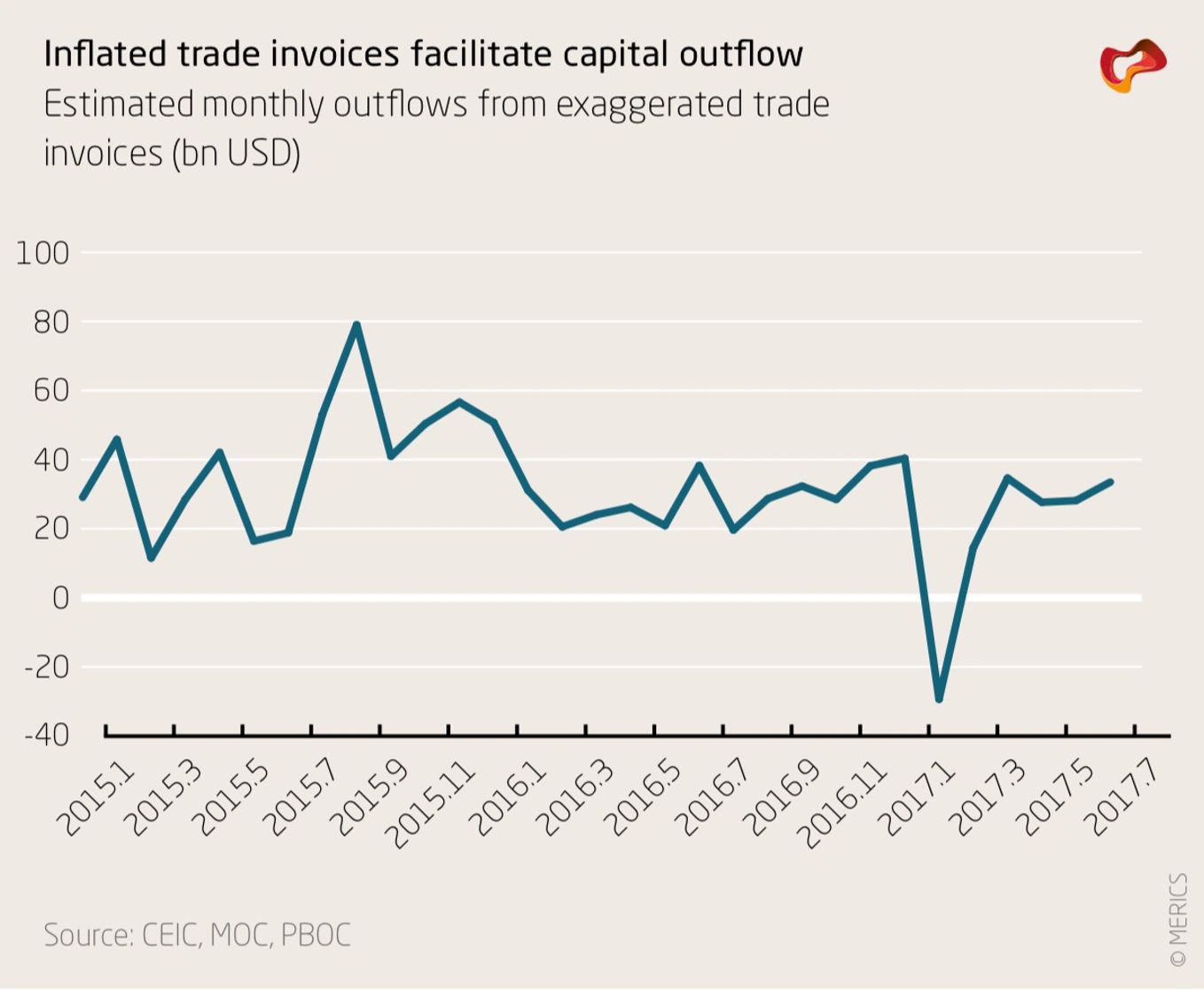
China’s foreign exchange reserves are a major source of exposure to global capital markets, and US monetary policy in particular. China currently sits upon $3 trillion worth of reserves, $1 trillion of which are US treasuries. This number, however, is down substantially from 2014, when it sat at nearly $4 trillion, as a result of a mysteriously massive and rapid draw down from 2014-2017. Recent evidence suggests that substantial leakage, i.e. USD outflows, continues to occur as documented via net errors and omissions calculations, reaching record highs through the first half (1H) of 2019 (see figure 1)15https://www.bloomberg.com/news/articles/2019-10-11/china-hidden-capital-flight-at-a-record-in-2019-iif-says, as well as through inflated trade invoices (see figure 2).16https://www.merics.org/sites/default/files/2017-10/191017_merics_ChinaMonitor_42.pdf
Figure 1: Capital Flight via Net Errors & Omissions
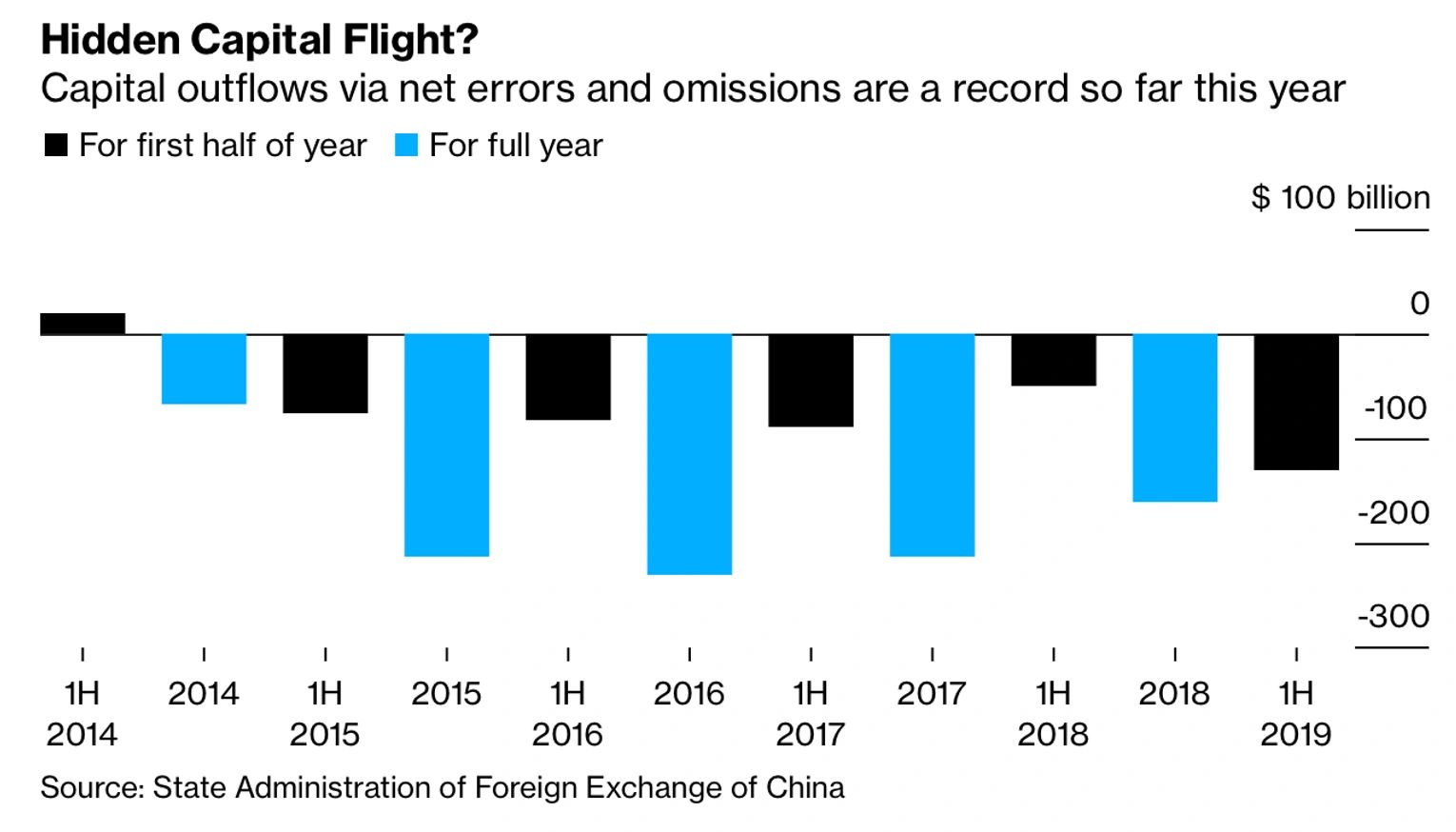
Figure 2: Capital Flight via Current Account
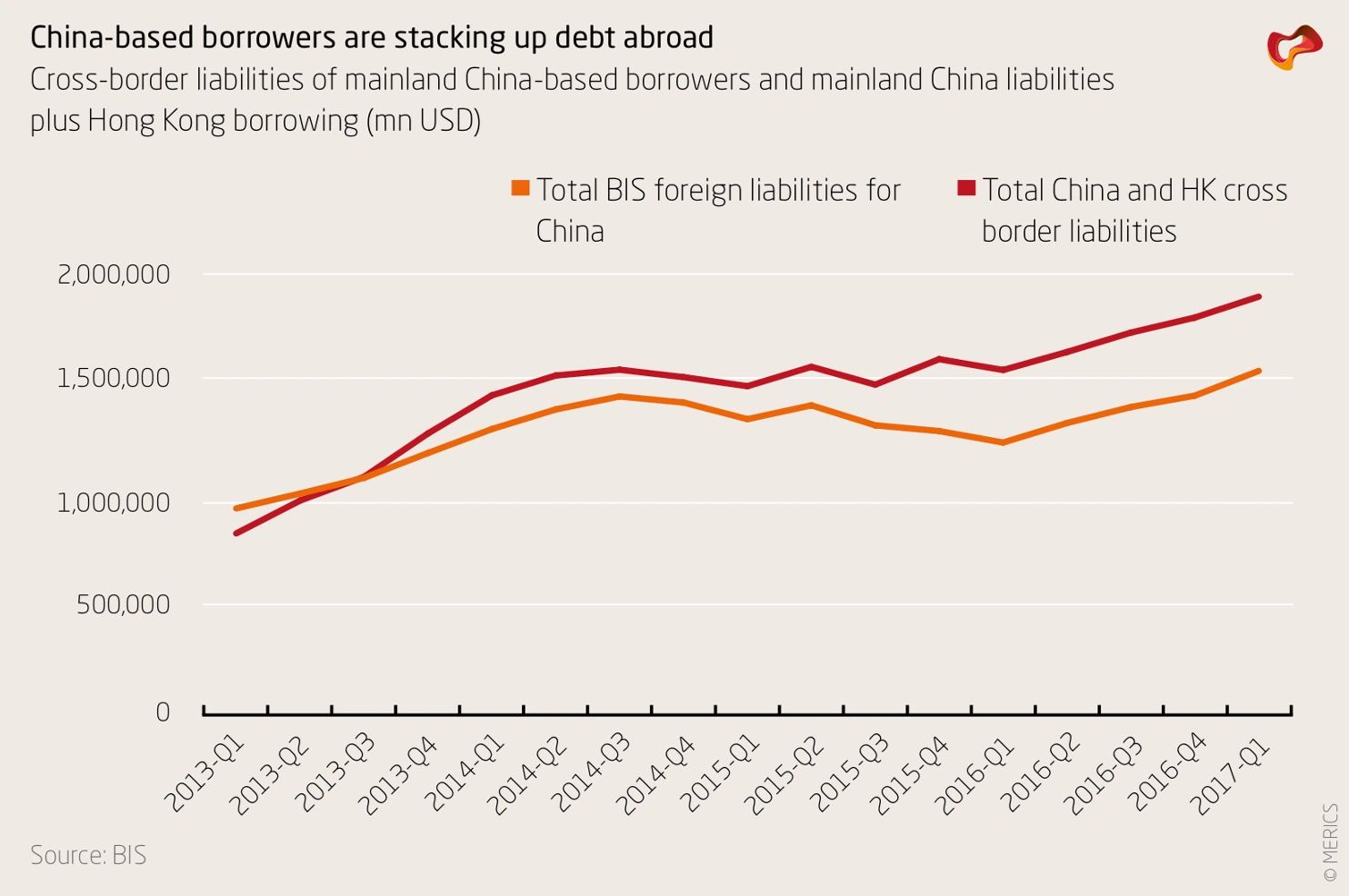
Overall, global financial exposure for China is a difficult thing to ascertain, given the opacity of its financial account. However, a 2017 MERICS report estimates that Chinese domiciled banks/firms and those domiciled in Hong Kong have collectively borrowed $1.9 trillion USD from abroad (see Figure 3). This money is then further on-lent to SOEs and other institutions within the mainland, who the CCP may anticipate facing credit calls.17https://www.merics.org/sites/default/files/2017-10/191017_merics_ChinaMonitor_42.pdf This borrowing, plausibly a strategy to mitigate draw-down of foreign currency reserves, has led to substantial exposure; though net foreign debt is still relatively low as a percentage of GDP.
Figure 3: Chinese Overseas Borrowing
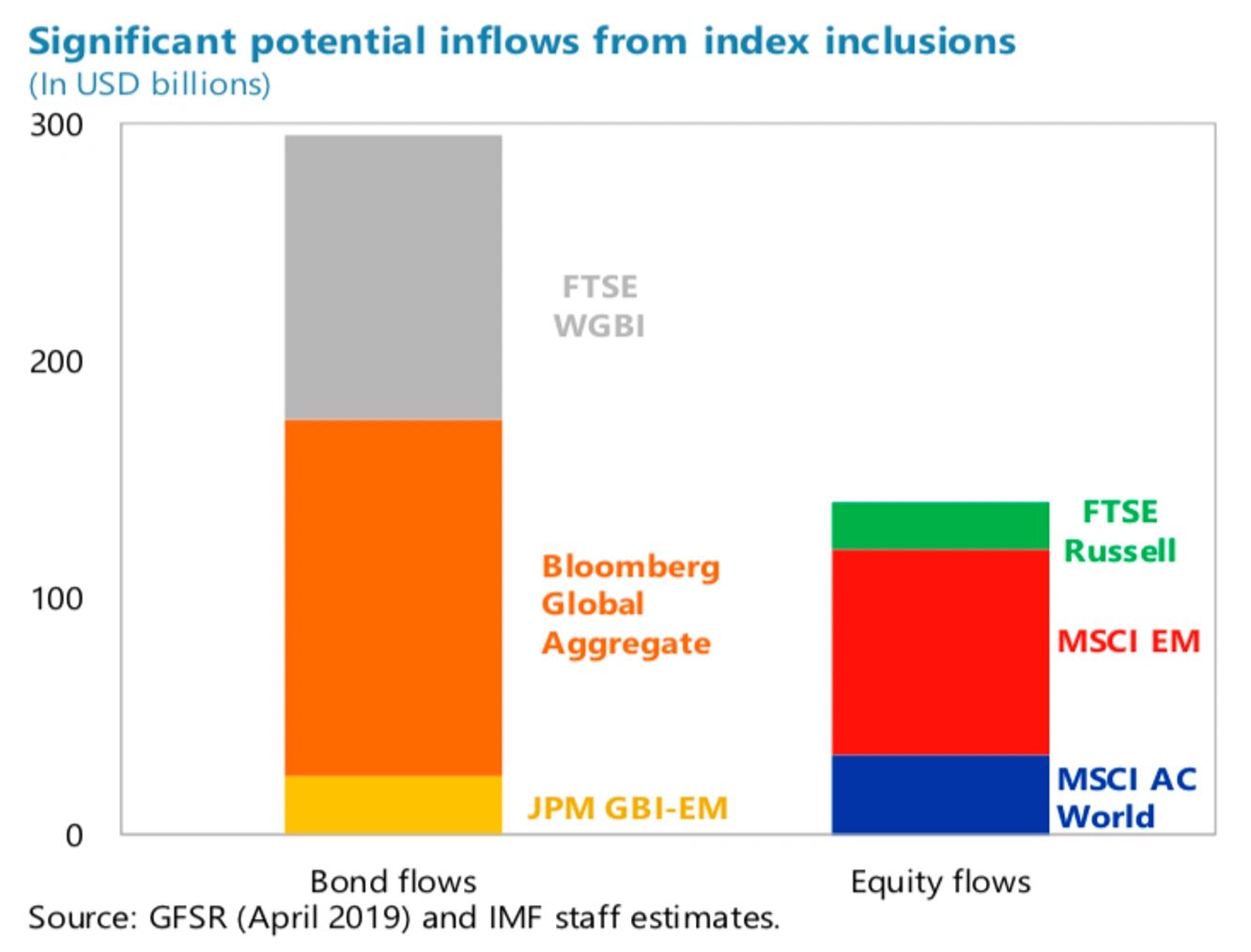
A final, and related, form of exposure is growing Chinese bond and equity inclusion in global financial indexes. The IMF’s 2019 Article IV analysis of China found that the country stands to receive $450 billion of foreign currency investment over the next 2-3 years as a result of inclusion in various indexes (see figure 4).18IMF Article IV The vast majority of these inflows will come from increasing Chinese equity A shares in Morgan Stanley’s MSCI Emerging Market index (now making up 4.1%)19https://www.bloomberg.com/news/articles/2019-10-21/rubio-msci-fight-over-u-s-retirement-dollars-going-to-china and from “local currency government and policy bank bonds” in Bloomberg Barclays Global Aggregate Index.20IMF Article IV What’s more, China recently lifted its Qualified Institutional Investor (QFII) quota of $300 billion, allowing additional institutional inflows of USD investment into Chinese equities, a step that eliminates “one of the major vestiges of the country’s closed capital markets.”21https://www.scmp.com/business/companies/article/3026561/china-scraps-qfii-and-rqfii-investments-quota-allow-unrestricted It is plausible, but speculative, that these steps have also been taken to increase USD inflow.
Figure 4: Potential Capital Inflows to China via Inclusion in Indexes
In sum, then, despite slowly and cautiously opening its economy, it is clear that there are several important ways in which China is now, and is becoming more, exposed to global financial markets.
Part 2: The Spectrum of US-led Economic and Financial Sanctions
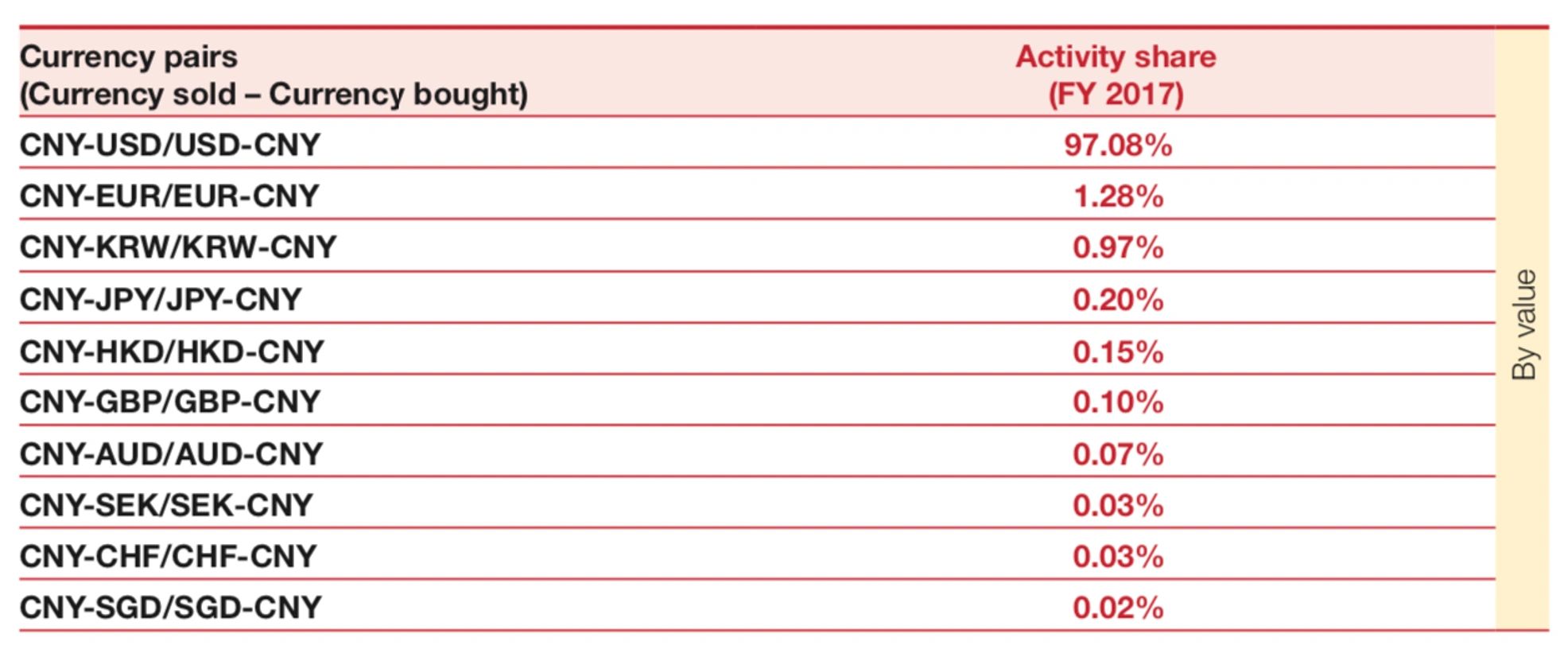
Establishing that the Chinese economy is at least moderately exposed to the global economic and financial system is important to establish a basis for sanctions. Meanwhile, the United States, given its preponderant control over the international financial and economic system, is in a uniquely powerful position to enact economic and financial sanctions against China. As Oatley et al find in their networked model of global finance, the global financial “system is a strongly hierarchical network centered firmly on US capital markets” (see figure 5).22Oatley, Thomas, W. Kindred Winecoff, Andrew Pennock, and Sarah Bauerle Danzman. “The Political Economy of Global Finance: A Network Model.” Perspectives on Politics 11, no. 1 (2013): 133-53. www.jstor.org/stable/43280693. The vast majority of international transactions pass through the American financial system via SWIFT23https://www.barrons.com/articles/why-the-u-s-will-continue-to-rule-the-international-payments-system-1535383142, the USD is the most used currency for cross border transactions (see figure 6), the USD-RMB is the only RMB currency pair with substantial liquidity (see figure 7)24RMB Tracker, “RMB internationalisation: Where we are and what we can expect in 2018,” SWIFT, 2018, and the vast majority of the world’s held currency reserves are in USD. Furthermore, the United States is both a major import and export power, and contains 121 of the worlds Fortune 500 companies.25https://www.gfmag.com/global-data/economic-data/largest-companies It has an outsized role, as well, in the most important multilateral financial institutions, the IMF and the World Bank (the latter of which Trump recently tweeted at to stop loaning money to China26https://www.cnbc.com/2019/12/07/trump-calls-for-world-bank-to-stop-lending-money-to-china.html). The United States’ thus possesses unique leverage to impose economic and financial sanctions.
Figure 5: Hierarchical structuring of international finance (even after 2008)
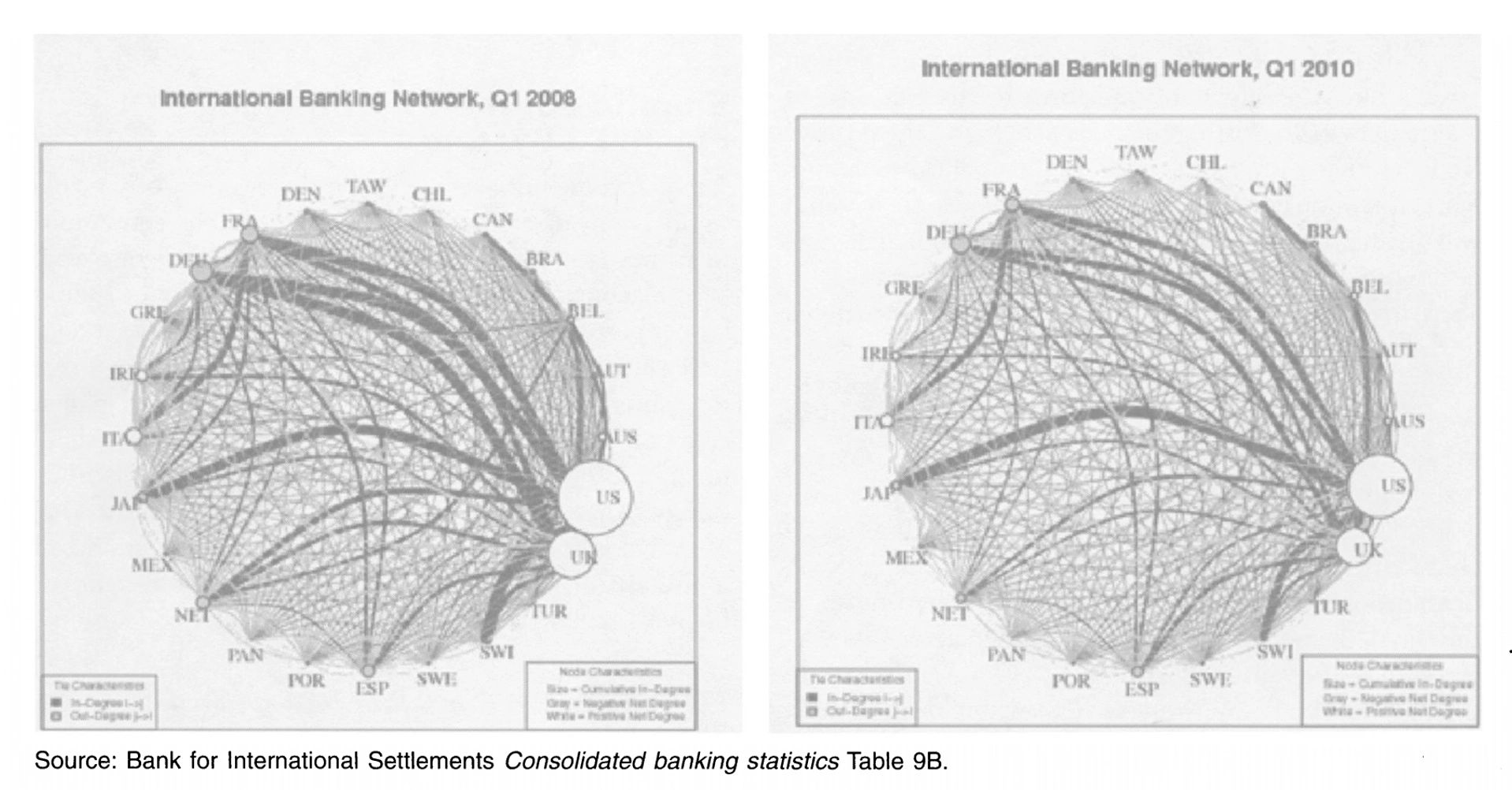
Figure 6: Currency activity for international payments (Source: SWIFT)
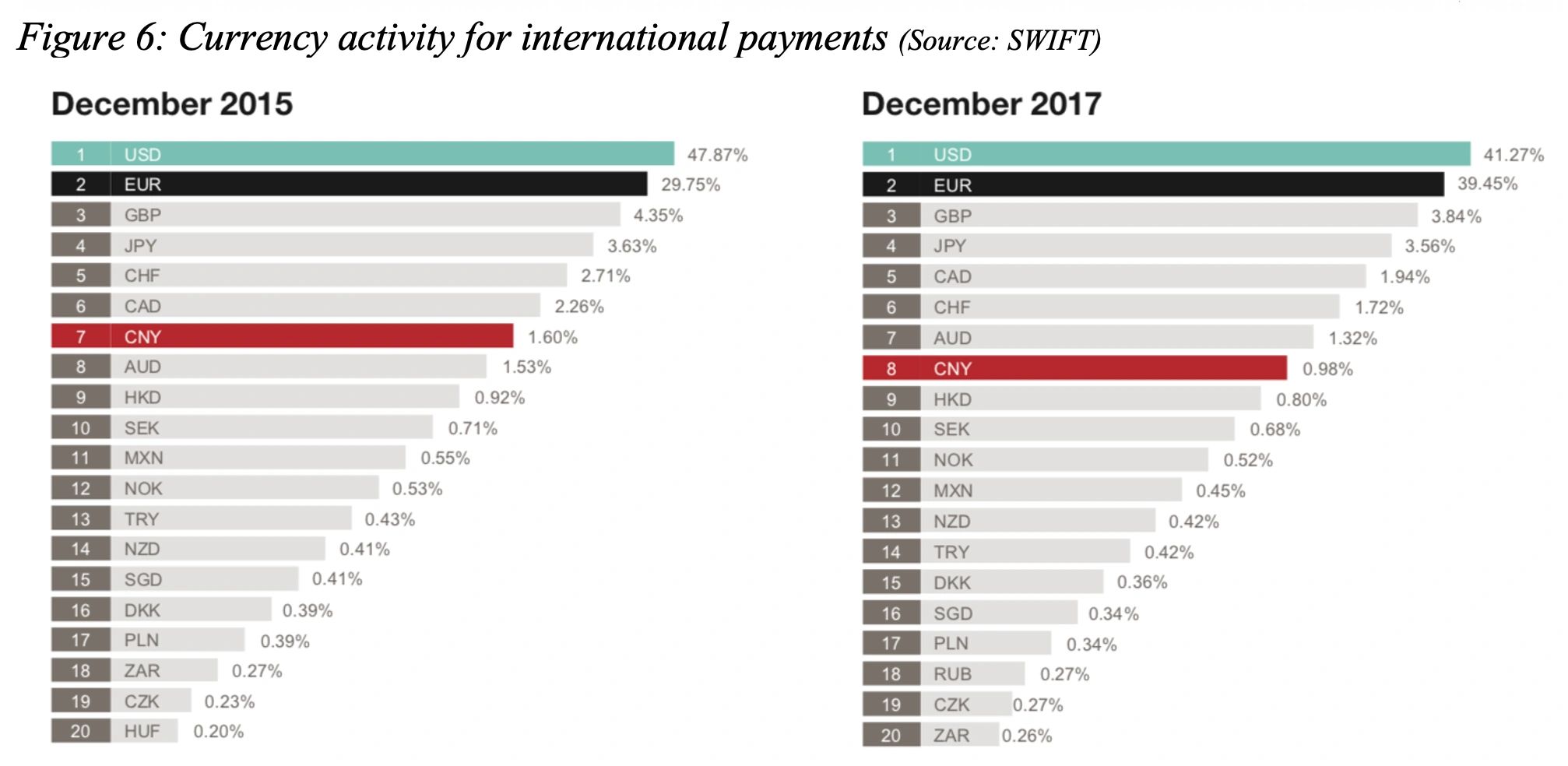
Figure 7: Currency Pairs (Source: SWIFT)
In her paper on the evolution of ‘smart’ (i.e. targeted) sanctions, Laura Kanji lays out a useful typology of the different sanctions regimes, from most narrow to least narrow: individual sanctions, diplomatic sanctions, sectoral sanctions, commodity sanctions, and financial sector sanctions.27Kanji, Laura. “Moving Targets: The Evolution and Future of Smart Sanctions.” Harvard International Review 37, no. 4 (Summer, 2016): 39-42. https://search.proquest.com/docview/1914193576?accountid=11752. Even broader options exist, and indeed were primarily used prior to the relatively recent advent of ‘smart’ sanctions in the 1990s, such as total trade embargoes, but will not be considered in this paper (despite the gravity of Xinjiang abuses, they are currently an unrealistic escalation).28https://www.state.gov/wp-content/uploads/2018/12/Measuring-Smartness-Understanding-the-Economic-Impact-of-Targeted-Sanctions-1.pdf From Kanji’s typology we can further distill three general pathways in how the US (and potentially allies) can handle sanctions moving forward: sanctioning individuals and specific firms/institutions, sanctioning groups and geographic industries more broadly, and then sanctioning the financial sector.
Individual Persons and Institutions
Individual sanctions against entities and persons are the tip of the spear in terms of smart sanctions, they are most precise and entail the least collateral damage. As the US Congress demonstrated in October 2019, when it added 28 institutions (mostly provincial and local security institutions, as well as eight surveillance/tech companies, such as Hikvision) to the Commerce Department’s restricted entities list, export restrictions are a key type of individual sanctions.29https://www.nytimes.com/2019/10/07/us/politics/us-to-blacklist-28-chinese-entities-over-abuses-in-xinjiang.html Placement on the entities list prohibits American companies from exporting goods/technology to those firms without a specific exemption. Visa restrictions are another form of individual sanction that have also already been employed by the US against those involved in Xinjiang implementation. But the most impactful form of individual-level sanctions in the arsenal are Global Magnitsky Act sanctions, first instantiated in the US in 2012 under a Russian-focused ‘Magnitsky Act’ but updated to apply globally in 2016 (thanks to the tireless work of Bill Browder).30Bill Browder, Red Notice: A True Story of High Finance, Murder, and One Man’s Fight for Justice Magnitsky Act sanctions, enacted via Executive Order, can be placed on anyone involved in “serious human rights abuse” under a “status-based responsibility” system wherein involvement with an entity carrying out human rights abuses can qualify an individual for sanctions. Once sanctioned, the entity’s US-based property is confiscated and withheld.31https://www.humanrightsfirst.org/sites/default/files/hrf-global-magnitsky-faq.pdf Chen Quanguo, Xinjiang Party Secretary responsible for designing the Tibetan and Xinjiang crackdowns, is the most obvious candidate, and all those in his inner circle.32Adrian Zenz, Chen Quanguo: The Strongman Behind Beijing’s Securitization Strategy in Tibet and Xinjiang Publication: China Brief Volume: 17 Issue: 12
Sectoral Sanctions
This group of sanctions would apply across industries and economic sectors, such as goods related to the production of cotton, or the energy sector. Sectoral sanctions were applied to great effect in the Russian case against Ukraine, as well as against Iran prior to the JCPOA. Sectoral sanctions could involve restricting exports and imports to an entire sector or region, as well as individually sanctioning broad swaths of people within the sector. Unfortunately, effectively implementing such sectoral sanctions can be difficult, particularly when isolating a particular region. Nonetheless, in Xinjiang, the most obvious candidates would be to sanction individuals entities involved in the Xinjiang Provincial Ministry of Public Security, surveillance and technology, and camp-construction related endeavors.
Financial Sector Sanctions
Financial sector sanctions, though a type of sectoral sanction, are worth disaggregating given their impact. This version of a sectoral sanction is the broadest type of ‘targeted’ economic sanction. Examples may include cutting off Chinese domiciled banks in Hong Kong from global capital markets, as well as restricting Bloomberg, Barclays, Morgan Stanley, and others from including Chinese debt and equity in its indexes. Given the precarious domestic financial system in China and apparent need for dollars amidst record capital outflows, this approach would be particularly punitive. We have already seen, via Russia but especially in Iran, the substantial cost-imposition financial sector sanctions can have, given the US’ hegemonic position in international finance.33Daniel W. Drezner (2015) Targeted Sanctions in a World of Global Finance, International Interactions, 41:4, 755-764, DOI: 10.1080/03050629.2015.1041297
Part 3: An Evidentiary Approach to Altering Beijing’s Behavior in Xinjiang
There are two major and widely cited databases on the effectiveness of economic sanctions. The first, the Targeted Sanctions Consortium (TSC), is a quantitative dataset of all UN targeted sanctions. According to evidence from this dataset, sanctions fail to achieve their policy goals in roughly 75% of instances. Meanwhile, the Peterson Institute of Economics (PIIE) database on over 200 sanctions cases shows only a marginally higher effectiveness at 33%.34Biersteker, Thomas, and Peter AG van Bergeijk. “How and when do sanctions work? The evidence.” On target (2015): 17-28. A large consensus in the literature converges on the idea that economic sanctions rarely work. Even worse, substantial literature exists pointing to downside externalities making sanctions potentially counterproductive, including long-run increases in corruption (according to multiple measurement sources), increasing authoritarianism according to the Polity IV index, and entrenchment as opposed to reduction in problematic regime behavior.35Kanji, Laura. “Moving Targets: The Evolution and Future of Smart Sanctions.” Harvard International Review 37, no. 4 (Summer, 2016): 39-42. https://search.proquest.com/docview/1914193576?accountid=11752. In the Chinese case, one particularly important finding regarding sanctions that complicates their use is the fact that sanctions tend to work better against more democratic regimes. Single Party authoritarian states such as China are, in fact, particularly resilient to sanctions, due to their ability to distribute sanctions costs, and their relative non-reliance on external financing.36Biersteker, Thomas, and Peter AG van Bergeijk. “How and when do sanctions work? The evidence.” On target (2015): 17-28.
Yet, amidst a generally bleak outlook, there are silver linings on sanctions effectiveness. While many studies have found that targeted sanctions may not be as effective as comprehensive embargoes due to their limited cost imposition, financial sanctions have been found to be an exception.37Daniel W. Drezner (2015) Targeted Sanctions in a World of Global Finance, International Interactions, 41:4, 755-764, DOI: 10.1080/03050629.2015.1041297 Importantly, more recent evidence indicates that targeted sanctions do impose very real costs on sanctioned entities (during the sanctions campaign against Russia, for example, targeted companies lost 50% of their asset value on average), and, in some cases, regimes may step in to ‘shield’ certain entities, effectively resulting in a cost transfer from the entity to the targeted government.38The Sword and the Shield: The Economics of Targeted Sanctions, Daniel P. Ahn, U.S. Department of State and Johns Hopkins University† Rodney D. Ludema, Georgetown University‡ December 2017
Relevant to Xinjiang, there are four key variables that have been shown to contribute to the effectiveness of targeted sanctions. First, sanctions against countries with substantial external trade, especially with the imposer of the sanctions, are much more likely to be successful (see figure 2).
Figure 2: Trade linkages and sanctions success
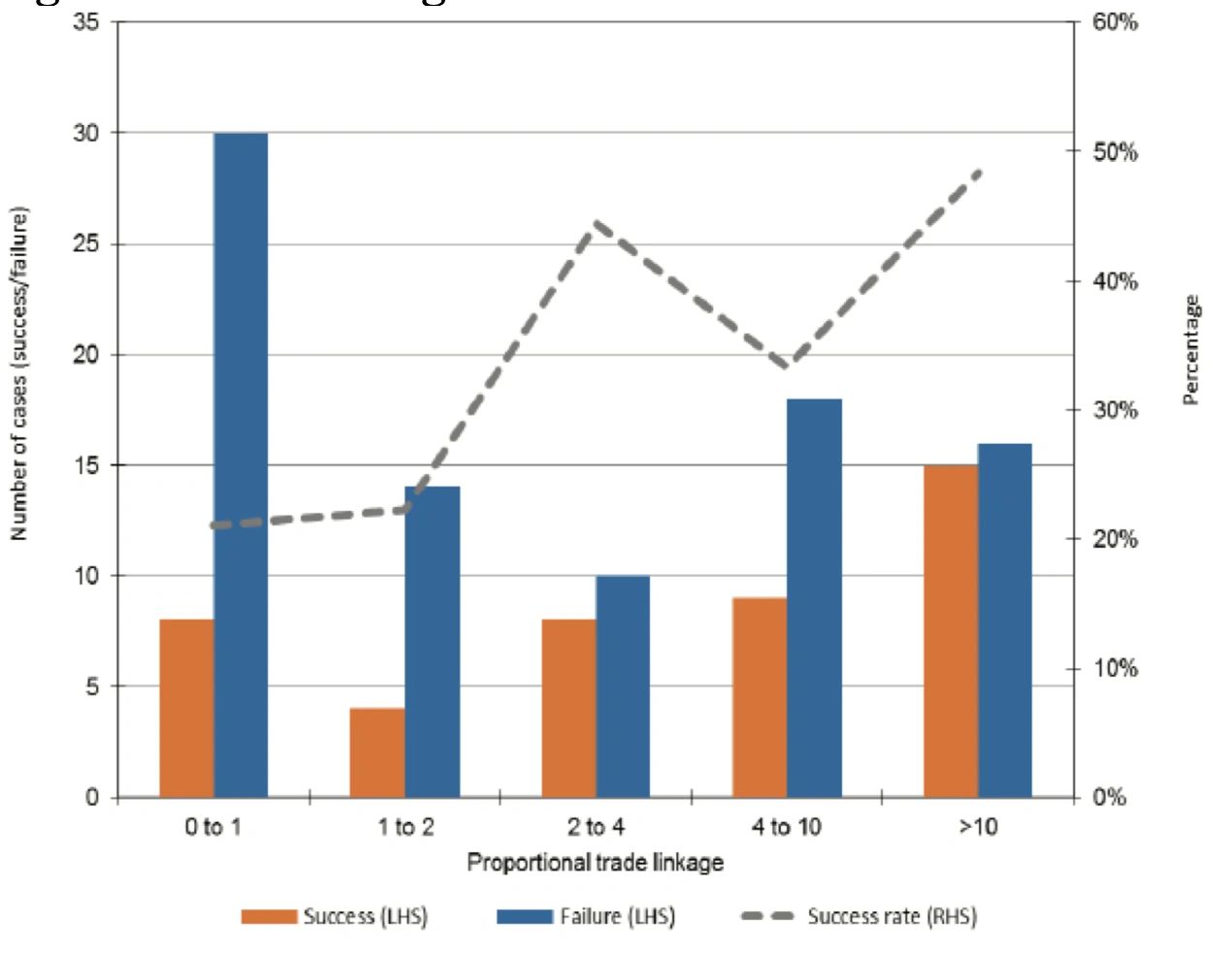
Second, sanctions are vastly more effective when implemented via a coalition. Third, sanctions that have narrowly defined goals are by far the most achievable. And, finally, employing several types of sanctions simultaneously vastly increases likelihood of success (the corollary to this is that a single sanction imposed unilaterally is never successful).39Biersteker, Thomas, and Peter AG van Bergeijk. “How and when do sanctions work? The evidence.” On target (2015): 17-28.
_Much ado; but what to do?_
As the above review of sanctions evidence alludes, we must be highly circumspect about the ability of economic and financial sanctions to change Beijing’s behavior. First, China has systematically shielded itself via limited global financial exposure. Second, the authoritarian nature of the Chinese system means that it can distribute costs of sanctions and protect those entities harmed in Xinjiang, minimizing blowback (although recent leaks to point to potentially exploitable fissures within the CCP). Third, the CCP’s growing propaganda campaign justifying ‘reforming and reeducating’ the Uighur populace has entrenched its Xinjiang strategy, and any broad-based attack on that by a ‘Western’ power may be more likely than not to further entrench the Chinese position. Thus, while a clear moral imperative compels liberal powers to implement strong sanctions, on the ground realities will complicate their efficacy.
However, a (1) specific, (2) coordinated, (3) and limited/intelligently targeted sanctions campaign could prove effective in marginally influencing Beijing’s cost-benefit analysis on its Xinjiang ‘re-education’ campaign. First, in implementing sanctions, the US will have to be very specific about the concessions it wants from the CCP, namely: immediate allowance of objective/neutral UN observers into all camps, immediate cessation to rounding up Uighurs, and immediate initiation of large-scale prisoner releases. Next, and perhaps the most important prerequisite to sanctions, a robust coalition with the US at the center must unite together. Ideally, this would include several Muslim-majority countries. Short of that, however, it should include other countries with similar values toward human rights. Due to China’s position on the UN Security Council, no sanctions from the UN will be forthcoming. Nonetheless, the twenty countries that jointly condemned China’s actions in Xinjiang thus far are a good place to start.40https://www.wsj.com/articles/how-to-answer-chinese-atrocities-in-xinjiang-11574293976
Once a coalition with specific goals has been established, amongst the array of sanctions options, those against individual level targets are liable to be the most efficacious. Magnitsky sanctions, freezing the assets of individual firms (e.g. Hikvision) and persons (e.g. Chen Quanguo) and cutting their access to global finance, should be the main weapon, deployed in unison with countries with similar laws (Canada, Estonia, Latvia, Lithuania, UK, and as of this week, the European Union).41https://www.wsj.com/articles/eu-moves-closer-to-creating-u-s-style-magnitsky-act-11575922594 These will impose real costs on entities in Xinjiang, and will either be borne by them or by the CCP via shielding. In addition, export restrictions (particularly on all surveillance-related technology) and entity registration against companies aiding and abetting the crackdown in Xinjiang should be expanded, as should visa restrictions against CCP officials responsible for Xinjiang. Furthermore, the continued multinational presence in Xinjiang, such as the NBA’s training facility in Urumqi and GE’s Xinjiang Joint-Venture, serves to legitimize and normalize the CCP’s development narrative in the province. The US and other countries should pass legislation mandating multinationals pull all operations from Xinjiang, and immediately conduct supply chain reviews to remove linkages with Xinjiang.
Although sectoral financial sanctions would cause the most pain to the CCP economically, such broad moves are liable to get caught up in a Beijing-spun narrative of ‘holding China down,’ and to entrench them in their position.42http://www.xinhuanet.com/english/2019-08/19/c_138321332.htm Targeted Magnitsky sanctions against actors in Xinjiang, however, have the great virtue of being very purposeful, causing sufficient amount of pain that the CCP will notice, but also leaving sufficient room such that the CCP may feel it can safe-face while walking Xinjiang policies back, particularly as Beijing has opened the door to a new narrative wherein they may justify letting people go under the rubric of ‘successful graduation’ from the camps.43https://www.bbc.com/news/world-asia-china-50712126
Ultimately, though, while smart sanctions may help alter the CCP’s cost-benefit analysis, it is unlikely that they alone will change Beijing’s behavior in Xinjiang. The CCP has engaged in a systematic cover up and white-washing of Xinjiang.44https://www.aljazeera.com/programmes/listeningpost/2019/09/xinjiang-story-china-world-forget-190907080927464.html In addition, economic incentives have led many countries to willfully turn a blind eye to events therein. As Upton Sinclair once said, “it is difficult to get a man to understand something when his salary depends upon his not understanding it.” Such an explanation may elucidate why Pakistan’s Human Rights Minister, Shireen Mazari, was willing to go on air to decry European bans on Muslim veils, but even when pressed, would not say anything critical of Xinjiang:45https://twitter.com/mehdirhasan/status/1204042867859230720?s=20 the ‘all-weather friendship’ is too sweet to risk. Yet the overwhelming evidence demonstrating, and moral argument against, egregious CCP actions in Xinjiang can be used as a cudgel against reticent leaders. Thus, perhaps even more important than financial or economic pressure, an ideational and informational campaign against CCP actions in Xinjiang may be most effective and necessary.
A global name-and-shame campaign undertaken by the 20 signatories, counter-posing the signers of the other joint-letter that approved of Beijing’s actions in Xinjiang, propagated widely and deeply, particularly in Muslim-majority countries such as Pakistan, could make the issue of Muslim oppression in China salient enough that local populations demand their governments take a stand against it. While the marginal pain from smart sanctions is unlikely to be enough to alter the CCP’s cost-benefit, a global swell of anti-CCP sentiment that threatens to limit its growing global influence may be. A grand gesture, such as a well-publicized boycotting of the 2022 Beijing Olympic games, may be an effective way to change the moral landscape and signal that what is happening in Xinjiang is unacceptable, and that silence, a form of complicity, cannot be bought forever.46https://www.latimes.com/opinion/story/2019-11-29/boycott-beijing-2022-olympics-uighurs-camps In the final analysis, a targeted, coalitional sanctions campaign against Xinjiang, in conjunction with an informational campaign, is not likely to be successful, but it may be the world’s best chance at peacefully compelling change in Beijing’s behavior in Xinjiang. It should therefore be done.